




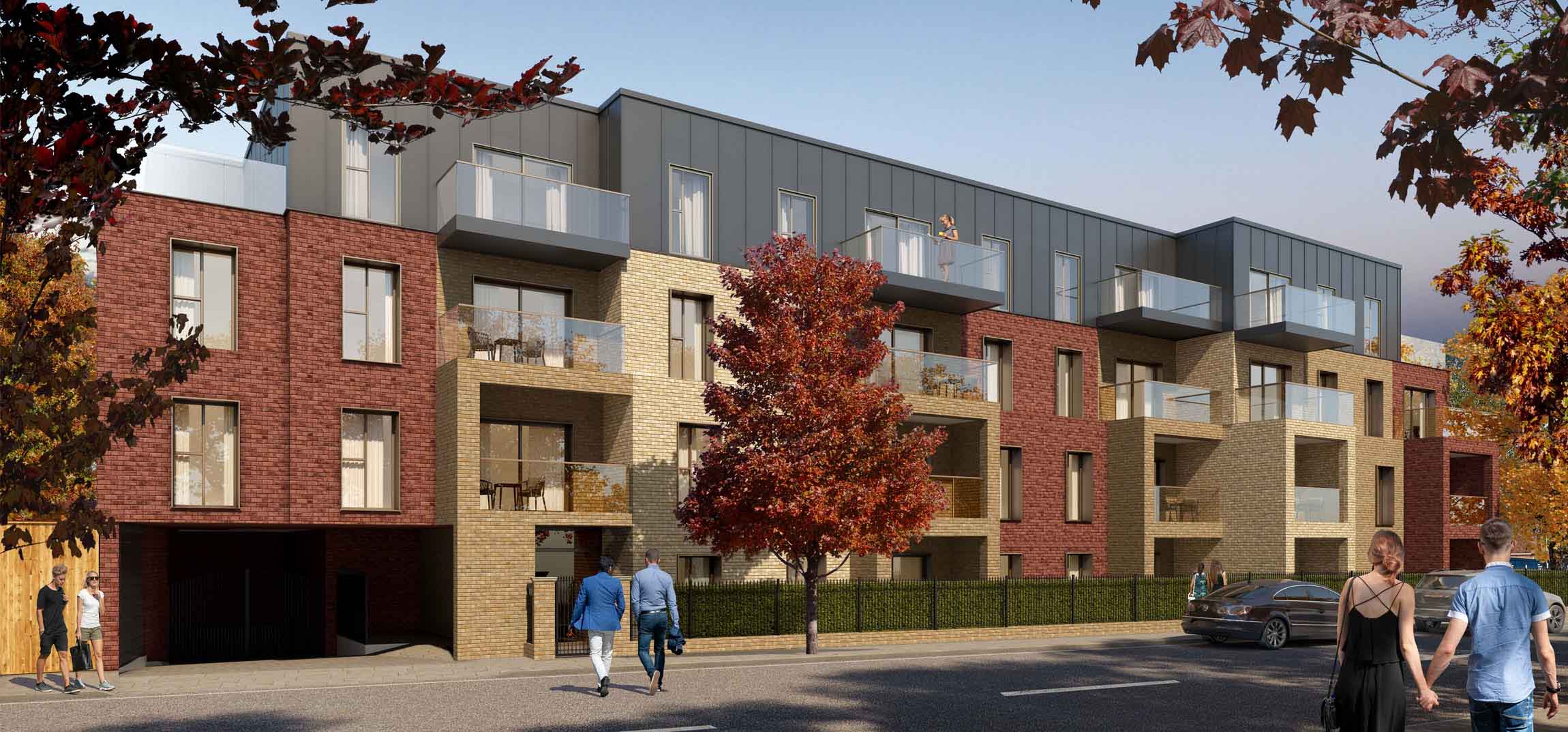
Volumetric, Panelised or Hybrid? Choosing the Right MMC System
Choosing an MMC system is one of the first and biggest decisions on a modern methods of construction project. The choice between volumetric modules, panelised systems or a hybrid affects the layout, the programme, the cost plan and who you can procure from. This guide explains the main options and the questions we use to help clients choose.
Quick answer
- Volumetric suits large, repetitive buildings such as hotels, student accommodation and build-to-rent, where speed matters most and the site has good access.
- Panelised suits more varied layouts, houses, extensions and constrained sites.
- Hybrid suits taller or more complex buildings, adding factory-made pods, risers and façades to a conventional or panelised frame.
The main types of MMC system
The UK’s MMC definition framework groups modern methods of construction into seven categories. For most building projects the choice comes down to three of them.
Volumetric (3D) modules – Category 1
Whole rooms or apartments are built, fitted out and finished in the factory, then craned into place on site. Volumetric gives the highest share of work done off site and the biggest programme saving. It works best where room types repeat and modules can be delivered and lifted easily.
Example: citizenM Tower of London, a 400-room modular hotel built with Polcom above a working tube station.

Panelised (2D) systems – Category 2
Walls, floors and roofs are made as flat panels in the factory, such as timber frame, structural insulated panels (SIPS), cross-laminated timber or light steel. Panels are lighter and easier to transport, so they suit tight sites and less regular layouts. More work happens on site than with volumetric, so the programme saving is smaller.
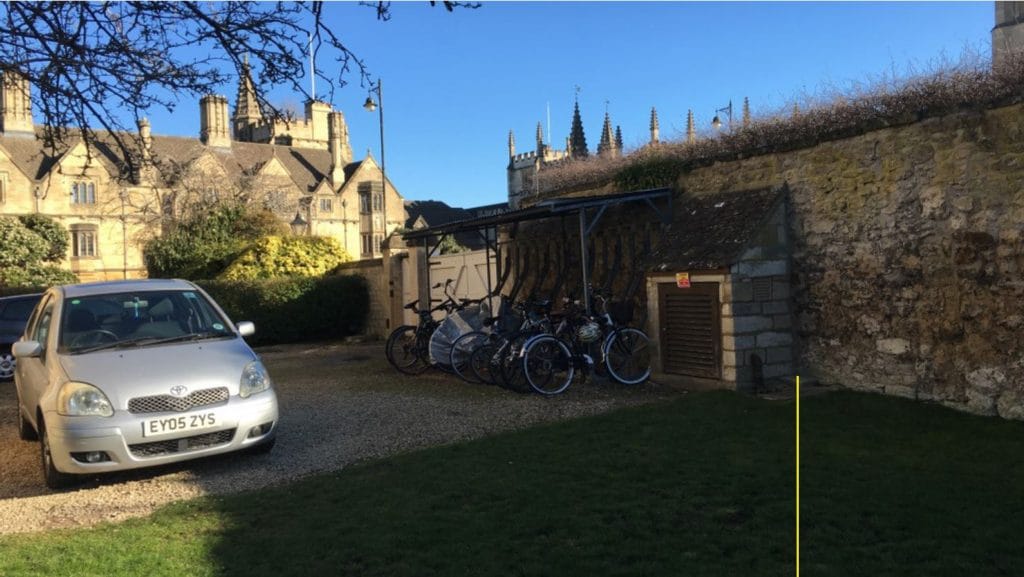
Example: Mercure Oxford Eastgate, a three-storey SIPS extension light enough to carry through an archway onto a constrained city-centre site.
Sub-assemblies and components – Category 5
Factory-made parts such as bathroom pods, kitchen units, plant rooms, service risers and façade panels. These can be added to almost any frame and are the basis of most hybrid approaches.
Comparing the options
| Volumetric | Panelised | Hybrid | |
|---|---|---|---|
| Work done off site | Highest | Medium | Varies |
| Programme saving | Largest | Moderate | Moderate |
| Layout flexibility | Lower – set by module sizes | Higher | Higher |
| Site access needed | Good crane and road access | Suits tight sites | Depends on frame |
| Best for | Hotels, student living, build-to-rent | Houses, extensions, varied layouts | Taller and complex buildings |
Seven questions to help you choose
- How repetitive is the building? The more identical rooms or apartments, the stronger the case for volumetric.
- How tall is it? Taller buildings often combine modules or panels with concrete or steel cores, and may be higher-risk buildings needing Building Safety Regulator approval at Gateway 2.
- What is the site like? Check road access, crane positions, overhead restrictions and neighbours before choosing a system.
- How important is speed? Hotels and build-to-rent gain most from early opening or earlier rental income.
- Who will fund and insure it? Lenders and warranty providers usually expect an accredited system (for example under BOPAS) and a financially sound manufacturer.
- How resilient is the supply chain? Several UK modular manufacturers have closed in recent years. Check the manufacturer’s finances and have a fallback in mind.
- When can the design be fixed? Factory production needs a design freeze earlier than traditional building. Late changes cost more.
Keep options open at feasibility
Where the best system is not yet clear, we design an “MMC-ready” scheme: a layout and grid that can be delivered by more than one system, so the client can test prices with several manufacturers before committing. This protects the planning consent and keeps competition in the procurement.
For building-type guidance, read modern methods of construction for build-to-rent and how modular construction benefits hotel design.
Frequently asked questions
What is the difference between modular and MMC?
Modular (volumetric) construction is one type of MMC. Modern methods of construction also include panelised systems, sub-assemblies and site-based techniques that improve productivity. See modern methods of construction (MMC) explained.
Can we change system after planning?
Sometimes, but it often means redesign and possibly a planning amendment. An MMC-ready design from the start makes a later switch much easier.
Who can help us choose?
An independent MMC adviser compares systems and manufacturers on your behalf. See our MMC Adviser service, or our modern methods of construction projects.
Not sure which system suits your scheme? Book a free feasibility study, contact us or call 020 4526 8965.